
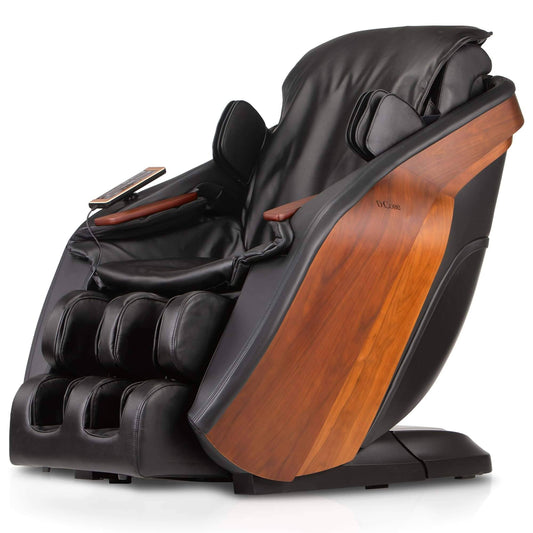

Best Massage Chairs for Tall People That Truly Fit
A massage chair can have exceptional 4D rollers, heat, and an executive-level finish, yet still feel disappointing if your knees sit too high or the neck nodes land below your shoulders. For taller buyers, the best massage chairs for tall people are not simply the biggest chairs in the room. They are models engineered to adapt to a longer spine, broader shoulder position, and extended lower-leg length.
That distinction matters. A properly fitted massage chair lets the roller system follow the natural line from the neck through the glutes, while the calf section supports the legs without forcing a cramped bend at the knees. The result is a more complete, more comfortable recovery session - and a much better long-term investment.
What Makes a Massage Chair Work for a Tall Frame?
Height capacity is the starting point, not the final answer. Many premium chairs publish a recommended user-height range, often extending to 6 feet 2 inches, 6 feet 4 inches, or beyond. Treat that range as a useful filter, then look closely at the mechanisms that create the fit.
An extending ottoman is particularly valuable. Rather than relying on a fixed footwell, this design slides outward as the user settles into the chair. Some models use spring-loaded extension, while more advanced chairs use sensor-based or powered adjustment. Either approach can give a taller person the extra calf room needed to relax rather than brace against the foot section.
Shoulder detection is equally important. Advanced body scanning measures the location of the shoulders and spine before a program begins, then positions the massage rollers accordingly. This is not a substitute for sufficient physical track length, but it helps prevent a massage that feels too low across the upper back or misses the neck entirely.
Finally, consider the chair's usable width. Tall users are not always broad-shouldered, but a narrow shoulder cavity can restrict movement and make airbag compression feel intrusive. Look for published shoulder width, arm dimensions, and user-weight guidance alongside height recommendations.
Best Massage Chairs for Tall People: Features to Prioritize
A long massage track is usually the defining feature for taller shoppers. An SL-track combines the reach of an S-track through the upper body with a longer curved section that continues beneath the lower back and into the glutes. For many users over six feet, this extended coverage is the difference between a partial back massage and a genuinely head-to-glute treatment.
Track length alone does not determine quality. The roller mechanism must also follow the body convincingly. A refined 4D system adds control over roller speed, rhythm, and depth, allowing slower, more deliberate pressure along large back muscles. A 5D AI massage system can go further by responding to body shape and tension patterns during the session. For taller professionals or active adults carrying persistent shoulder and lumbar tension, these technologies make the chair feel more tailored rather than merely longer.
Zero gravity positioning is another priority. By reclining the body so the legs are elevated, zero gravity reduces the load placed on the lower back and helps distribute weight more evenly across the chair. It can be especially welcome for tall users whose long legs and lower back often bear the strain of long workdays, travel, or training. The best experience comes from a chair that maintains comfortable calf support throughout the recline, not one that leaves the feet compressed against a short ottoman.
Deep calf and foot massage deserves close attention as well. Taller legs need an ottoman with meaningful extension, but the internal massage design still matters. Enclosed foot rollers, calf airbags, kneading nodes, and adjustable intensity can turn the lower-body section into a recovery feature rather than an afterthought. If you are sensitive around the shins or Achilles area, select a model with pressure controls and removable foot pads.
Measure More Than Your Height
Before selecting a chair, take three practical measurements: your full height, seated shoulder height, and lower-leg length from the back of the knee to the heel. The third measurement is often the most revealing because it tells you whether the ottoman is likely to feel natural.
Also account for how you actually use a massage chair. A person who is 6 feet 4 inches and prefers an upright stretch program may fit differently than someone of the same height who spends most sessions in full zero gravity. Reclining changes hip angle, knee position, and the amount of extension required from the legrest.
Product specifications are helpful, but they can be presented in different ways. “Fits users up to 6 feet 4 inches” may be based on a general ergonomic range, whereas an ottoman extension measurement describes a physical capability. The strongest buying decision uses both. If your height falls at the upper edge of a stated range, prioritize a longer SL-track, automatic leg extension, and a generous return policy or expert fit consultation.
Choose the Right Chair Category for Your Goals
For tall buyers focused on daily stress relief, an advanced zero gravity chair with body scanning, adjustable leg length, and reliable air compression may be the ideal balance of comfort and value. It delivers the foundational features that determine fit without requiring every flagship technology.
For athletes, frequent travelers, and buyers seeking more intensive muscle work, a 4D or 5D chair is often the better category. The added control over roller depth and pace can provide a more convincing deep-tissue experience across the upper back, lumbar region, and glutes. Pair that with heat and a long SL-track for a premium recovery environment at home.
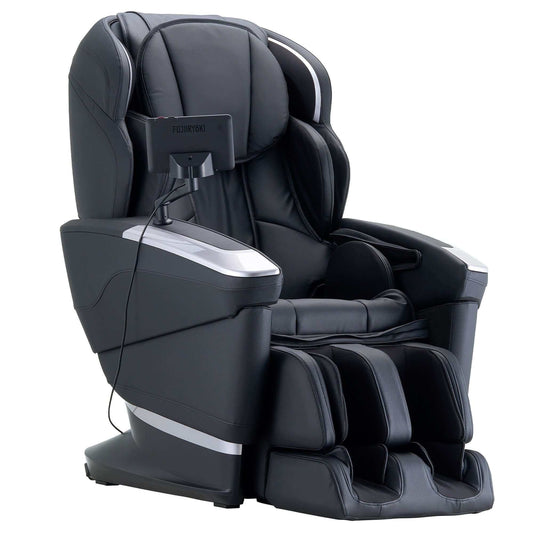
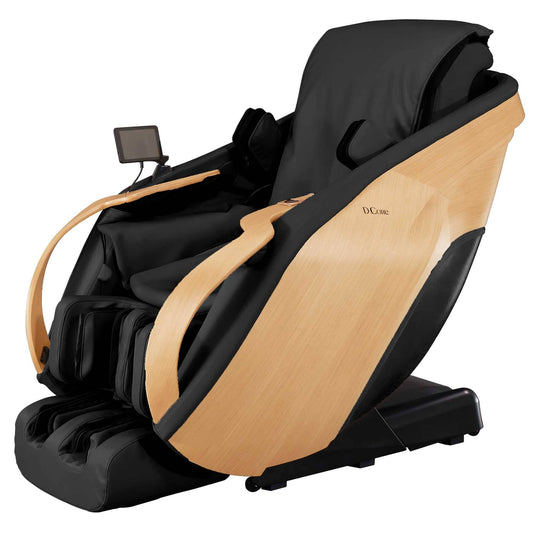
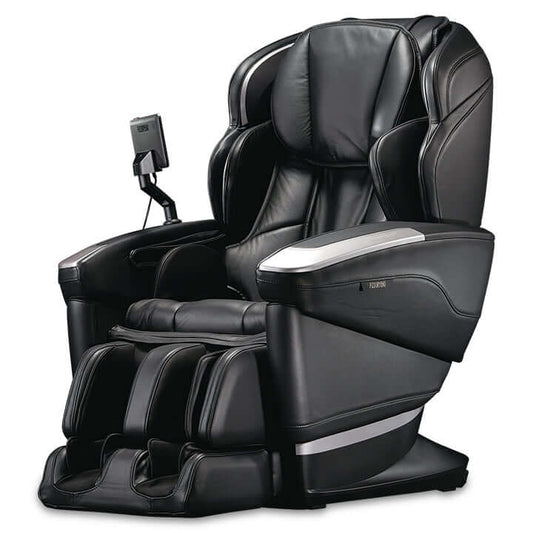
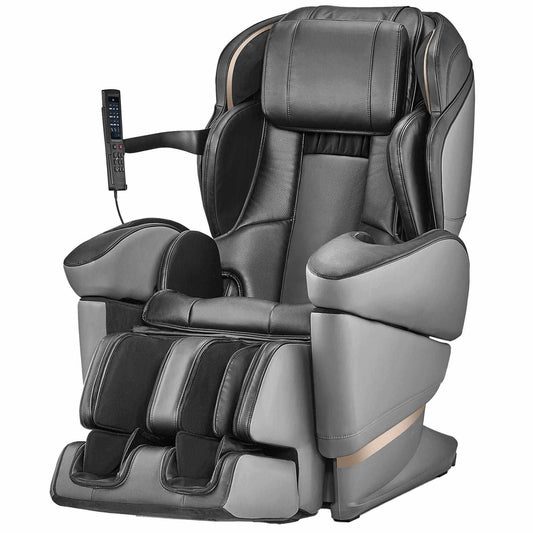
For a design-forward primary residence, executive office, or dedicated wellness room, ultra-premium models justify consideration. These chairs may add Made in Japan craftsmanship, sophisticated upholstery, touchscreen controls, refined programs, and precision mechanisms that support consistent daily use. Their value is not simply a longer feature list. It is the quality of the movement, fit, materials, and ownership experience over time.
A compact chair can still suit a tall person, but only when its specifications clearly support that height. Do not assume that a wall-hugging design is too small. Space-saving recline and internal user dimensions are separate considerations. Conversely, a large exterior shell does not guarantee a long track or adequate calf room.
Common Fit Mistakes to Avoid
The most common mistake is buying based on maximum user height alone. That number can mask a short footwell, limited shoulder adjustment, or a roller track that stops too high above the glutes. A tall person may technically fit in the chair while missing the full massage experience they expected.
Another mistake is prioritizing intensity before alignment. The strongest rollers will not feel therapeutic if they press into the wrong area of the neck or fail to reach the lower back. Start with track geometry, body scanning, and ottoman extension. Then compare roller technology, massage styles, and intensity levels.
It is also worth considering who else will use the chair. A household with users ranging from 5 feet 3 inches to 6 feet 5 inches should favor automatic body scanning, adjustable shoulder settings, and a legrest that accommodates a wide range of inseams. Manual adjustments can work well, but they are less convenient when the chair serves multiple people.
Finally, measure the room before ordering. A premium massage chair needs clearance not only for its footprint but also for its recline path, even with space-saving wall-hugging technology. Check doorways, hallways, and the final placement area. A chair that suits a tall body should also arrive and operate comfortably within the home.
A Premium Fit Is Worth the Research
The right massage chair should make a taller user feel supported from the headrest to the soles of the feet, not accommodated as an afterthought. At Fujiiryoki USA, that means looking beyond surface-level labels and comparing the engineering that determines real-world comfort: track design, intelligent body scanning, leg extension, zero gravity geometry, and roller performance.
Take the extra time to compare dimensions with your own measurements and recovery priorities. When the chair fits your frame, every program - from a quick evening shoulder refresh to a full deep-tissue session - has the space to perform as intended.
Tags:
Previous
Massage chair doorway width guide
Next
Cyber Relax AI: Seven Massage Techniques for Daily Wellness