
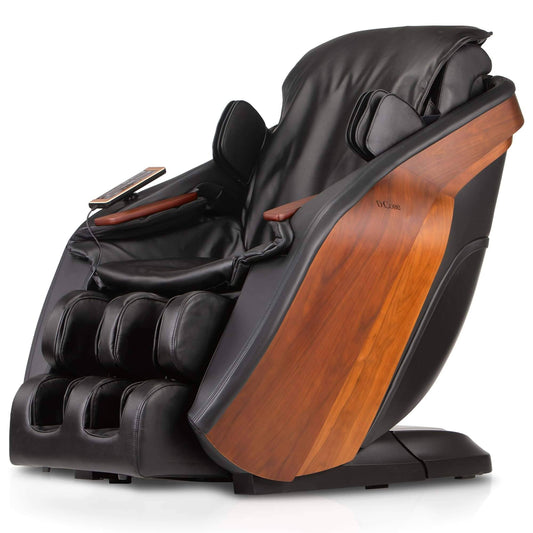

AI Body Scan Massage Chair Technology Explained
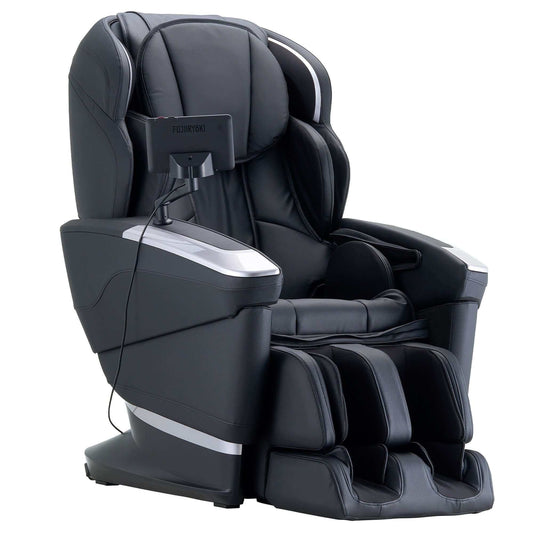
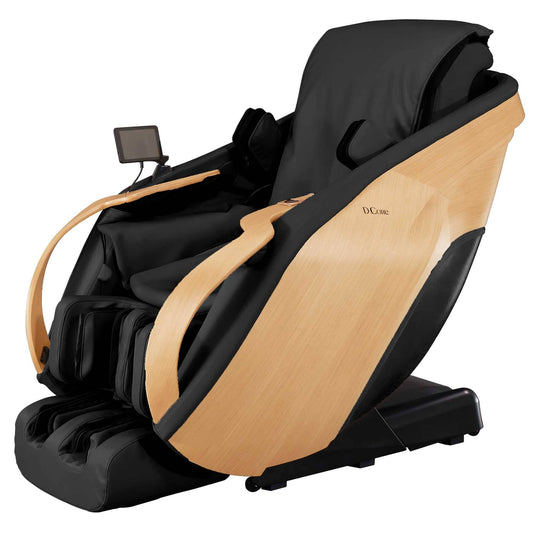
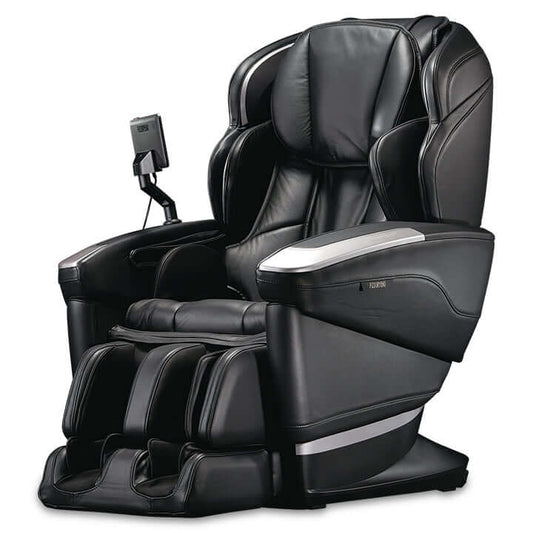
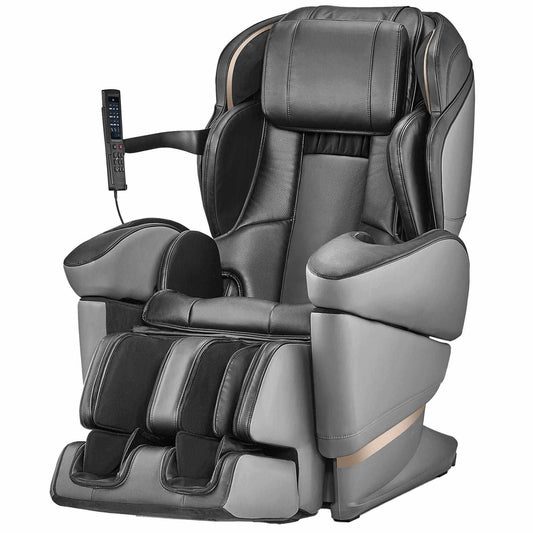
A premium massage chair should not treat every body the same. An AI body scan massage chair is designed to begin each session by assessing your body position, shoulder height, back contour, and, in some models, areas of elevated muscle tension. That information helps the chair place its rollers more accurately and adjust the massage experience around the person sitting in it.
For buyers considering an ultra-premium wellness chair, this technology matters because roller placement is the foundation of a satisfying massage. Strong 4D or 5D mechanisms, heat, zero gravity recline, and an extended SL track can all be valuable features. But when the chair starts in the wrong place, even advanced hardware can feel less precise than it should.
What an AI Body Scan Massage Chair Actually Does
Most advanced massage chairs perform some type of body scan. Sensors measure the user’s seated position and identify key reference points, especially the shoulders, spine, and hips. The chair then sets the massage range so the rollers travel in a position that better corresponds to the user’s back.
An AI-enhanced system takes that baseline process further. Rather than simply locating the shoulders, it may use pressure sensing, body-shape data, prior session preferences, and programmed massage logic to refine intensity, speed, roller depth, or focus areas. Depending on the model, the chair may recognize that the upper back needs more attention, reduce pressure around a sensitive area, or modify the massage rhythm as the session progresses.
The term “AI” is used differently across manufacturers, so buyers should look beyond the label. In a luxury massage chair, the real question is not whether the product uses artificial intelligence in the abstract. It is how the sensing system improves the actual massage: better shoulder calibration, more responsive roller control, intelligent program selection, or a more personalized recovery routine.
It is also worth keeping expectations grounded. An AI body scan is not a medical diagnostic tool, and it does not replace assessment or treatment from a qualified healthcare professional. Its role is to make the chair’s massage delivery more tailored to the user’s posture and comfort preferences.
Why Body Scanning Changes the Massage Experience
A fixed-position massage can feel excellent for one person and slightly misplaced for another. Height is only part of the equation. Two people of the same height can have very different shoulder positions, torso lengths, spinal curves, and areas of muscular fatigue.
Body scanning helps solve that fit issue. When the chair locates the shoulders correctly, kneading and tapping can work closer to the trapezius muscles instead of reaching too high or too low. When the back profile is mapped effectively, roller pressure is more likely to feel consistent as it moves down the spine and into the lower back.
This is especially valuable in chairs with long SL tracks. An SL track follows the natural curve from the upper back toward the glutes and upper hamstrings, creating a more comprehensive massage path than a shorter, straight track. Precision matters across that entire range. A chair with an intelligent scan and a well-engineered track can offer a more composed, intentional experience from the neck through the lower body.
For professionals who spend long hours at a desk, frequent travelers, active adults, and homeowners building an elevated recovery space, that personalization can make daily use more appealing. The chair requires less manual adjustment before each session and can provide a more consistent result for multiple users in the same household.
AI Scanning, 4D, and 5D: How the Features Work Together
AI body scanning and 4D or 5D massage are related, but they are not the same feature. A body scan determines where the massage should happen. A 4D or 5D mechanism influences how the rollers move and how the massage feels.
A traditional massage mechanism may move up and down the back while performing kneading, tapping, rolling, or combinations of those techniques. A 3D mechanism adds forward and backward movement, allowing the rollers to extend farther from the track for greater depth. A 4D chair typically adds more variation in speed, rhythm, and roller timing, producing a more human-like cadence.
The definition of 5D varies by manufacturer. In premium models, it generally refers to a more advanced control system that combines multi-dimensional roller movement with intelligent adjustments, enhanced programming, or responsive pressure management. The most compelling 5D AI chairs use these capabilities together: the scan identifies the body, the rollers adapt their motion, and the program modifies the experience with greater nuance.
That combination is particularly relevant for buyers seeking deep tissue performance. More depth is not automatically better. A high-caliber chair should give the user meaningful control over roller extension and intensity, while its scanning system helps ensure that stronger pressure is being delivered in an appropriate location.
Features That Matter Beyond the Scan
Body scanning is a high-value feature, but it should be evaluated as part of a complete massage system. A sophisticated scan cannot compensate for limited roller travel, shallow mechanics, or poor ergonomics.
When comparing executive and ultra-premium chairs, consider these capabilities together:
- Massage track design: An SL track supports broader coverage along the back, glutes, and upper hamstrings. The length and shape of the track influence where the chair can work.
- Roller mechanism: Look at whether the chair offers 3D, 4D, or 5D performance, along with adjustable roller depth, width, speed, and intensity.
- Zero gravity positioning: Recline can distribute body weight more evenly and may help the user settle into the chair while the rollers work along the back.
- Aircell massage: Well-placed airbags can support compression massage for the shoulders, arms, hips, calves, and feet, complementing the roller massage.
- Heat and foot treatment: Heated lumbar zones, calf warmth, rollers, and stretch programs can add meaningful comfort, particularly for users who want a complete evening recovery ritual.
- Controls and memory: A touchscreen remote, voice controls, and saved user profiles make it easier to repeat a preferred session without rebuilding settings each time.
What to Look for Before You Buy
Start with the kind of massage you want most often. If your priority is gentle relaxation after work, a well-calibrated scan, zero gravity recline, heat, and refined air massage may matter more than maximum roller depth. If you prefer a firmer, more therapeutic-feeling massage, focus on a chair with adjustable 3D, 4D, or 5D rollers, strong lower-back performance, and manual control over intensity.
Physical fit deserves equal attention. Review the chair’s recommended user-height range, weight capacity, room-clearance requirements, and footrest extension. A chair should fit both the primary user and the room where it will live. Some premium models are designed for space-saving recline, while others need substantial clearance behind the chair.
Consider whether the AI system provides user control. The best experience is not one that makes every decision for you. It is one that uses body data as a starting point, then lets you fine-tune shoulder position, roller depth, massage zone, and program intensity. Personalization should feel precise, not restrictive.
Finally, assess the chair as a long-term piece of wellness equipment. Made in Japan engineering, premium upholstery, carefully tuned mechanics, and dependable support often justify a higher initial investment for buyers who expect frequent use. A refurbished luxury model can also be a smart path for shoppers who want advanced technology and premium construction at a more accessible price point.
Is an AI Body Scan Massage Chair Worth It?
For a single occasional user, a standard body scan may be sufficient. For a household that expects a chair to become part of its daily wellness routine, AI-enhanced scanning can be a meaningful upgrade. It reduces setup friction, improves fit across different body types, and helps advanced roller systems perform closer to their potential.
The value rises with the rest of the chair’s specification. An intelligent scan paired with a long SL track, responsive 4D or 5D rollers, zero gravity positioning, and thoughtful ergonomics creates a more complete luxury experience than any one feature can provide alone.
Choose the chair that makes you want to use it consistently. The finest AI technology is most valuable when it disappears into the experience, leaving you with a massage that feels considered, comfortable, and distinctly your own.
Tags:
Previous
Cyber Relax AI: Full-Body Massage Techniques and Wellness Benefits
Next
Cyber Relax AI: Master Full-Body Massage Techniques at Home